

RESIDENCE BY INVESTMENT
Switzerland Residence by Investment
Switzerland’s lump-sum taxation programme offers high-net-worth individuals residence in one of the world’s most stable, prosperous, and private jurisdictions — with Schengen Area access and an unmatched quality of life.
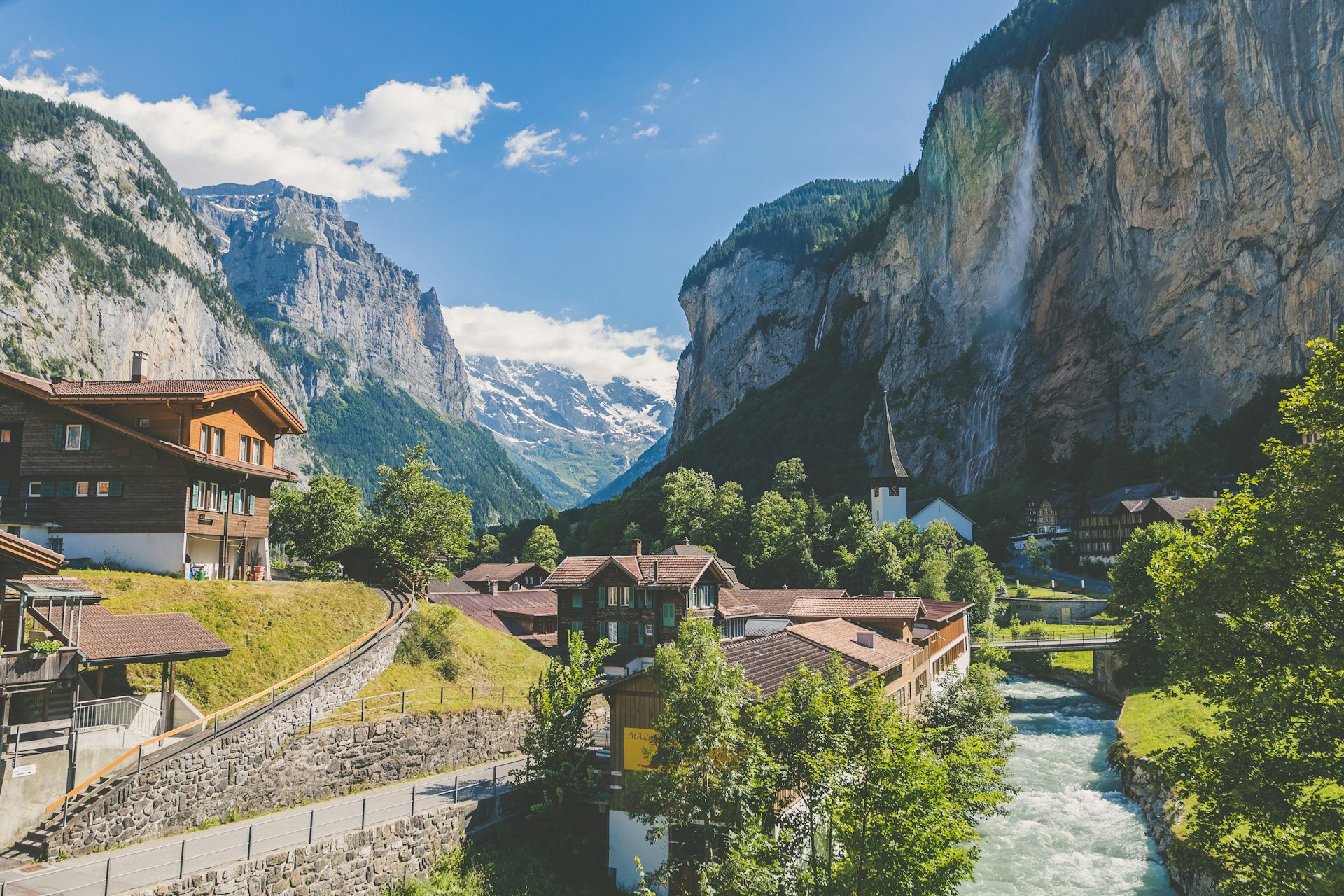
Residence by Investment Overview
Switzerland does not operate a traditional investor visa programme. Instead, it offers a residence pathway through lump-sum taxation — known as the forfait fiscal — which allows qualifying foreign nationals to reside in Switzerland while paying tax based on their worldwide living expenses rather than actual income or assets. This arrangement is negotiated at the cantonal level, with each Swiss canton setting its own minimum thresholds and conditions. The programme has attracted entrepreneurs, retired business owners, and internationally mobile families seeking the stability, discretion, and exceptional quality of life that Switzerland is renowned for.
Program Details
Benefits of Switzerland Residence by Investment
- Residence in one of the world’s most politically stable, economically secure, and diplomatically neutral countries
- Visa-free travel across the entire Schengen Area — 27 European countries accessible without border controls
- Tax calculated on worldwide living expenses rather than actual income, capital gains, or wealth — offering significant planning advantages
- No capital gains tax on private movable assets and no inheritance tax in most cantons
- Access to the Swiss banking system — the global benchmark for wealth management, privacy, and financial infrastructure
- World-class education system including renowned international schools and universities such as ETH Zurich and EPFL
- Exceptional healthcare system consistently ranked among the best globally, with universal coverage and cutting-edge facilities
- Spouse and dependent children included under the same residence permit
- Path to permanent residence (C permit) after 5–10 years and eligibility for Swiss citizenship after 12 years of residence
- Unrivalled quality of life — clean air, Alpine landscapes, safety, and cultural richness in a multilingual environment
Eligibility Criteria
Requirements for Swiss Residence by Lump-Sum Taxation
The Swiss lump-sum taxation programme is available to foreign nationals who meet specific criteria established at both federal and cantonal levels. TopNation Global advises clients on canton selection, negotiation strategy, and the full application process to secure optimal terms.
- Applicant must be a non-Swiss national — EU/EFTA citizens are eligible only if they commit to not exercising gainful employment in Switzerland
- Applicant must not have been tax-resident in Switzerland or engaged in gainful employment in Switzerland during the preceding 10 years
- Must not carry out any gainful activity in Switzerland — the programme is designed for individuals living on foreign-sourced income, investments, or retirement funds
- Minimum annual lump-sum tax of CHF 400,000 at the federal level, with cantonal thresholds varying significantly (Vaud requires CHF 1,000,000+; other cantons may accept CHF 400,000–600,000)
- Must establish primary residence in the chosen canton and maintain it as the centre of life interests
- Clean criminal record and successful completion of background checks by cantonal immigration authorities
- Sufficient financial resources to support the applicant and all dependants without recourse to public funds
- Valid health insurance meeting Swiss mandatory coverage requirements (LAMal-compliant or equivalent)
Application Process
Step-by-Step: Obtaining Swiss Residence Through Lump-Sum Taxation
The Swiss residence-by-taxation process involves coordination between cantonal tax authorities and immigration offices. TopNation Global manages every phase — from canton selection through to permit issuance — ensuring clients secure the most favourable terms available.
Stage 1 — Canton Selection and Pre-Assessment: TopNation Global evaluates the client’s profile, family situation, and lifestyle preferences to identify the optimal canton. Key factors include the canton’s minimum lump-sum tax threshold, local amenities, international school proximity, language environment, and the canton’s receptiveness to lump-sum taxpayers. A preliminary enquiry is made to the cantonal tax authority to gauge feasibility.
Stage 2 — Tax Ruling Negotiation: A formal application is submitted to the cantonal tax authority. The lump-sum tax amount is negotiated based on the applicant’s worldwide living expenses — typically calculated as five to seven times the annual rental value of the Swiss residence, but subject to the cantonal minimum floor. This ruling defines the annual tax obligation for an agreed period, usually renewed every five years.
Stage 3 — Residence Permit Application: Once the tax ruling is agreed in principle, a B residence permit application is submitted to the cantonal immigration authority. Supporting documentation includes proof of financial means, health insurance confirmation, a clean criminal record, and evidence of accommodation in the canton. EU/EFTA nationals follow a simplified registration process.
Stage 4 — Permit Issuance and Relocation: Upon approval, the cantonal authority issues a B residence permit, typically valid for one year and renewable annually. The applicant relocates to Switzerland, registers with the local commune, and begins meeting the tax obligations under the agreed ruling. After five to ten years of continuous residence, the permit holder may apply for a C settlement permit, and after twelve years of residence, may pursue Swiss citizenship through naturalisation.
Program at a Glance
Key Facts
CHF 400K+
Annual Lump-Sum Tax
Federal minimum annual tax obligation. Cantonal thresholds vary — some cantons such as Vaud require CHF 1 million or more per year.
Schengen Access
European Mobility
Swiss residence permits grant visa-free travel across 27 Schengen Area countries for up to 90 days within any 180-day period.
3–6 Months
Processing Time
From initial cantonal engagement through tax ruling negotiation to B permit issuance — timelines depend on canton and applicant preparedness.
Primary Residence
Residence Requirement
Switzerland must be the applicant’s primary place of residence and centre of life interests — extended absences may jeopardise permit renewal.
No Capital Gains Tax
Tax Advantages
Private capital gains on movable assets are tax-free. Most cantons impose no inheritance or estate tax, offering significant wealth preservation benefits.
12 Years
Path to Citizenship
After twelve years of residence in Switzerland, permit holders may apply for Swiss citizenship through the standard naturalisation process.
Why Work with TopNation Global?
- Specialised expertise in Swiss lump-sum taxation and residence permit applications — including canton-specific knowledge of thresholds, negotiation protocols, and approval dynamics
- End-to-end advisory from canton selection and tax ruling negotiation through to residence permit issuance and relocation coordination
- Established relationships with Swiss tax advisors, immigration lawyers, and cantonal authorities to ensure efficient and compliant applications
- Strategic advisory on international tax planning, wealth structuring, and family office establishment in Switzerland
- Confidential, personalised service — your privacy, financial profile, and family objectives guide every recommendation
Frequently Asked Questions
Switzerland Residence by Investment — Common Questions
What is lump-sum taxation in Switzerland?
Lump-sum taxation — known in French as the forfait fiscal — is a special tax regime available to qualifying foreign nationals who take up residence in Switzerland without engaging in gainful employment in the country. Rather than being taxed on actual worldwide income and assets, the taxpayer’s annual tax liability is calculated based on their worldwide living expenses, typically benchmarked at five to seven times the annual rental value of their Swiss residence. This arrangement provides a predictable, often favourable tax obligation while granting full Swiss residence rights and Schengen Area access.
How do lump-sum tax thresholds differ between cantons?
Each Swiss canton sets its own minimum lump-sum tax threshold, resulting in significant variation across the country. At the federal level, the minimum taxable income for lump-sum purposes is CHF 400,000 per year. However, cantons such as Vaud have set their minimum at CHF 1,000,000 or more, while others — including Valais, Graubunden, and Ticino — may accept lower thresholds closer to the federal minimum. Some cantons, notably Zurich, Basel-Stadt, and Appenzell Ausserrhoden, have abolished lump-sum taxation entirely following cantonal referendums. TopNation Global advises clients on which cantons currently accept lump-sum taxpayers and which offer the most favourable terms.
Who qualifies for Swiss residence through lump-sum taxation?
The programme is open to foreign nationals — including EU and EFTA citizens — who have not been tax-resident in Switzerland or engaged in gainful employment in the country during the preceding ten years. Applicants must commit to not working in Switzerland, meaning their income must derive from foreign sources such as international business interests, investments, pensions, or royalties. The programme is particularly suited to retired entrepreneurs, internationally mobile investors, and high-net-worth families seeking a secure and private European base.
Why do high-net-worth individuals choose Switzerland?
Switzerland consistently ranks among the world’s most desirable countries for wealth preservation, personal security, and quality of life. Its political neutrality, centuries-old democratic tradition, and rock-solid legal framework provide unmatched stability. The Swiss banking system remains the global standard for private wealth management. Education options include world-renowned international schools and elite universities. Healthcare is exceptional, with universal coverage and access to cutting-edge medical facilities. Combined with stunning Alpine landscapes, a multilingual culture, and a central European location, Switzerland offers a lifestyle that few jurisdictions can match.
Does Swiss residence provide Schengen Area access?
Yes. Although Switzerland is not a member of the European Union, it is a full member of the Schengen Area. Holders of a Swiss residence permit (B or C permit) can travel freely across all 27 Schengen member states without requiring additional visas, subject to the standard 90-day-per-180-day rule for stays in other Schengen countries. This provides exceptional European mobility for both the primary applicant and their family members who hold derivative residence permits.
Can I eventually obtain Swiss citizenship?
Yes, though the path is lengthy. After twelve years of continuous residence in Switzerland, a foreign national may apply for Swiss citizenship through the standard naturalisation process. The process involves demonstrating integration into Swiss society, proficiency in a national language (German, French, Italian, or Romansh), knowledge of Swiss customs and institutions, and compliance with Swiss law throughout the residence period. Naturalisation decisions are made at three levels — federal, cantonal, and communal — each with its own requirements. Some cantons may count years of residence between the ages of 8 and 18 double, potentially shortening the timeline for younger applicants.
Can family members be included in the application?
Yes. The primary applicant’s spouse and dependent children may be included and will receive their own residence permits. Family members benefit from the same residence rights, including Schengen Area access and the right to live in Switzerland. The lump-sum tax calculation takes into account the expenses of the entire household. Children can access Swiss schools — both the excellent public education system and the numerous international schools found throughout the country, particularly in cantons such as Vaud, Geneva, and Zurich.
What are the tax advantages of lump-sum taxation?
The primary advantage is predictability and, for many high-net-worth individuals, a significantly lower tax burden compared to ordinary taxation. Tax is calculated on living expenses rather than actual income, meaning that investment returns, capital gains on private movable assets, foreign business profits, and offshore wealth are not directly assessed. Switzerland imposes no capital gains tax on private movable assets at the federal level. Most cantons do not levy inheritance or estate taxes, or impose them at very low rates. The lump-sum ruling provides certainty — the annual tax obligation is agreed in advance and typically renewed every five years.
What type of residence permit is issued?
Successful applicants receive a B residence permit, which is issued by the cantonal immigration authority and is typically valid for one year, renewable annually upon confirmation that the lump-sum tax obligations continue to be met. After five to ten years of continuous residence — depending on the applicant’s nationality and canton — the permit holder may apply for a C settlement permit, which is permanent and provides greater security of status. The C permit removes the need for annual renewal and grants additional rights, including greater protection against revocation.
What is the residence requirement?
Unlike some residence-by-investment programmes that impose no physical presence requirement, Switzerland requires that the country serve as the applicant’s primary residence and centre of life interests. This means the applicant must genuinely live in Switzerland, maintain a home there, and demonstrate meaningful ties to the community. Extended absences — particularly if the applicant appears to maintain a primary residence elsewhere — may lead to questions during permit renewal. The exact threshold is not codified as a specific number of days but is assessed on the basis of overall circumstances by cantonal authorities.
How long does the application process take?
The entire process — from initial canton engagement through tax ruling negotiation to residence permit issuance — typically takes three to six months. The timeline depends on several factors including the chosen canton’s administrative capacity, the complexity of the applicant’s financial profile, and the completeness of submitted documentation. Cantons with established lump-sum taxation frameworks and significant experience processing such applications tend to move more efficiently. TopNation Global’s pre-application preparation helps minimise delays by ensuring all materials meet cantonal standards from the outset.
Which cantons are most popular for lump-sum taxation?
The most popular cantons for lump-sum taxpayers include Vaud (home to Lausanne and the Lake Geneva region), Valais (renowned for Alpine resorts including Verbier and Zermatt), Ticino (Italian-speaking, with a Mediterranean climate on the shores of Lake Lugano), Graubunden (home to St. Moritz and Davos), and Geneva (an international hub with extensive diplomatic and financial infrastructure). Each canton offers a distinct lifestyle, language environment, and tax threshold. The choice of canton is a deeply personal decision influenced by family needs, language preferences, proximity to international schools, and lifestyle aspirations.
Are there cantons that do not allow lump-sum taxation?
Yes. Several cantons have abolished lump-sum taxation following public referendums. These include Zurich, Basel-Stadt, Basel-Landschaft, Schaffhausen, and Appenzell Ausserrhoden. In these cantons, foreign nationals must be taxed under ordinary Swiss tax rules if they take up residence. This makes canton selection a critical strategic decision — choosing a canton that actively welcomes lump-sum taxpayers ensures access to the programme’s benefits and a smoother application process. TopNation Global maintains current intelligence on each canton’s policy stance and threshold requirements.
Exploring other options? Compare all residence by investment programs or read our 2026 RBI guide.